Types of rural land
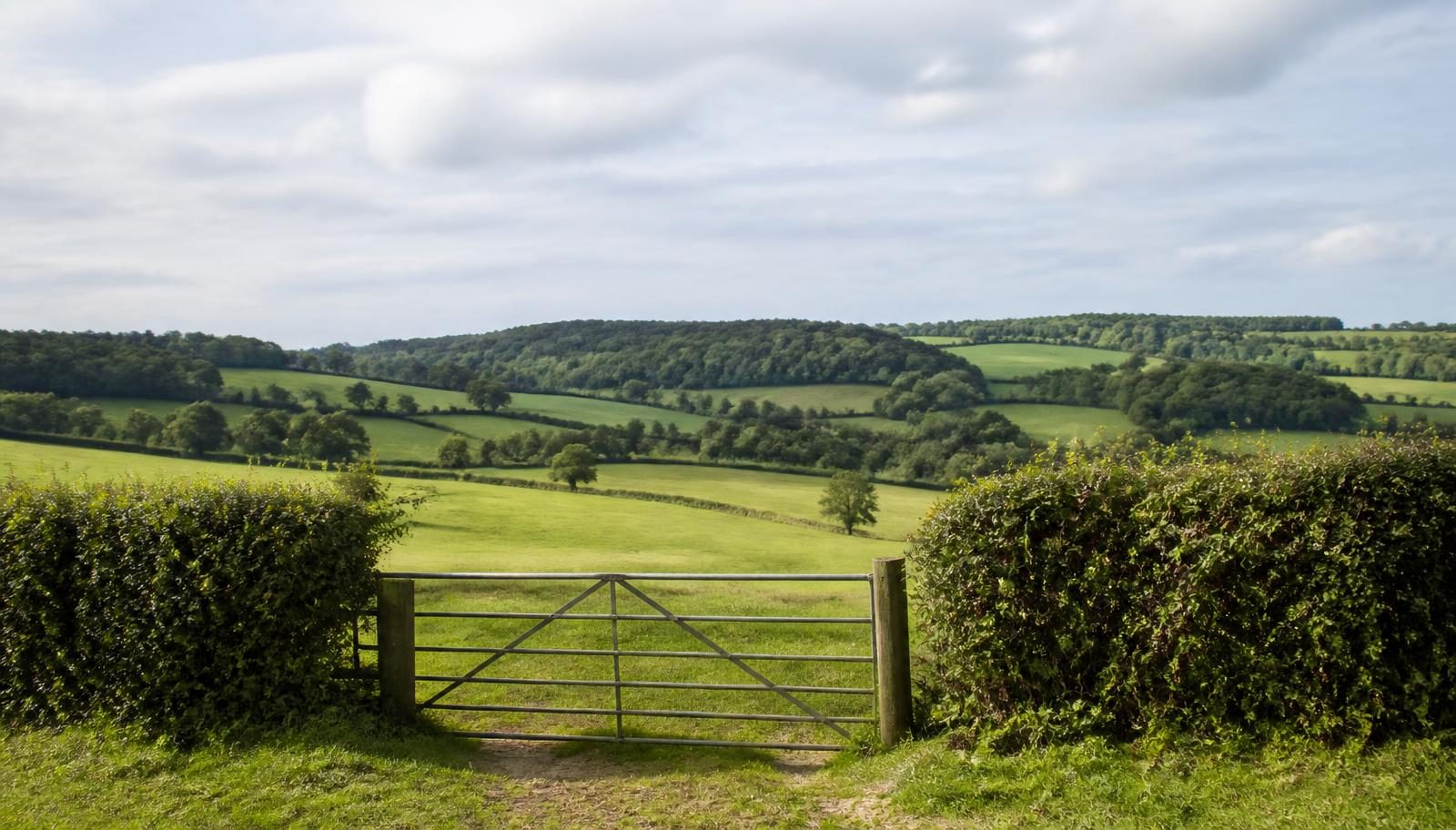
Rural land is not a single product. Two neighbouring parcels can look identical and behave very differently in law and in practice.
Agricultural land
Land used for farming — arable, grassland or mixed. Agricultural use does not imply any right to build or to live on the land.
Grazing land
Pasture for livestock or horses. Note that using agricultural land for keeping horses recreationally can amount to a change of use requiring consent.
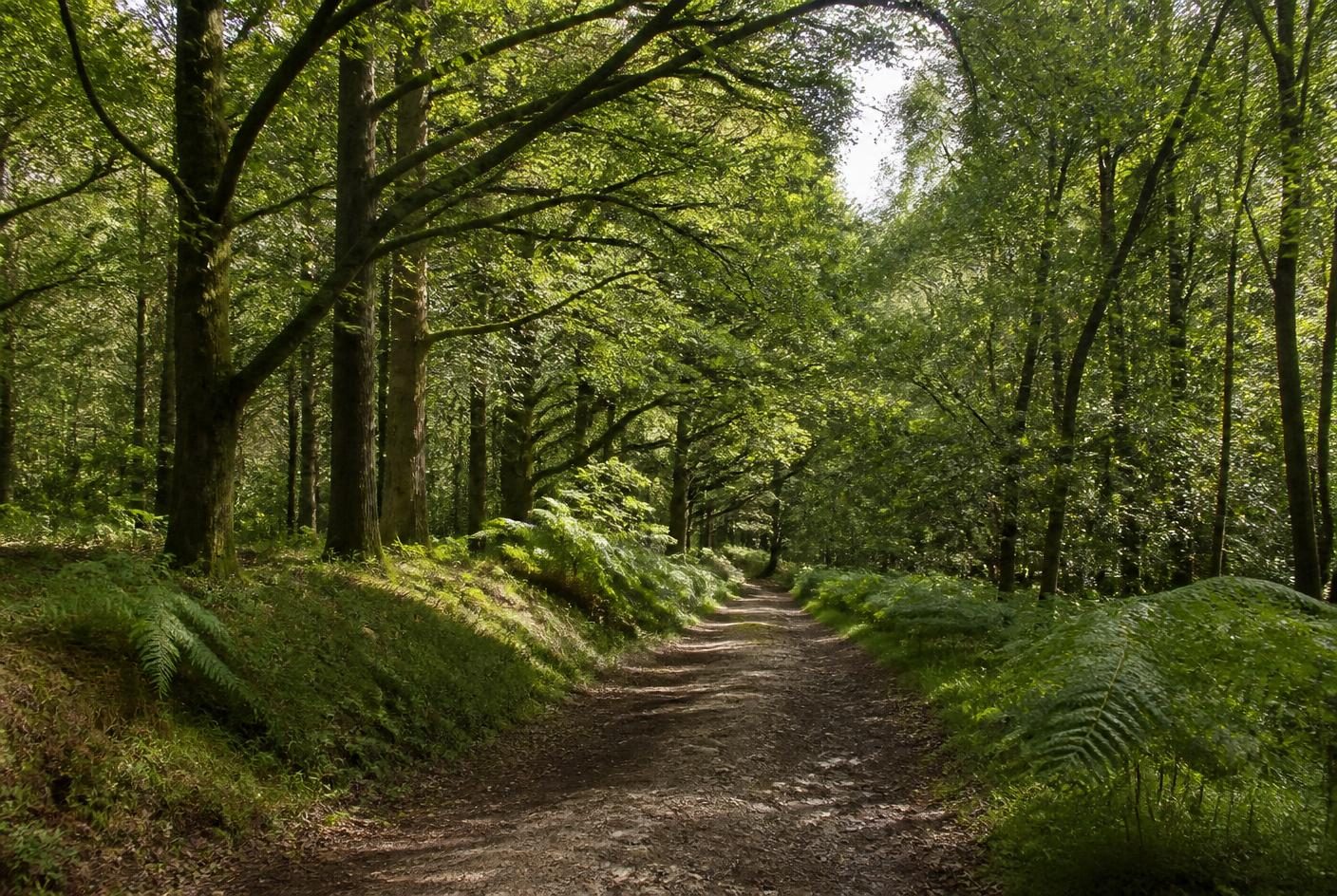
Woodland
Amenity, commercial or ancient woodland, often with felling licence requirements, tree preservation orders or designations attached.
Paddocks
Smaller enclosed parcels, frequently sold to adjoining owners or for equestrian use.
Amenity land
Land bought for privacy, wildlife, recreation or simply to protect a view. Value lies in enjoyment rather than production.
Access
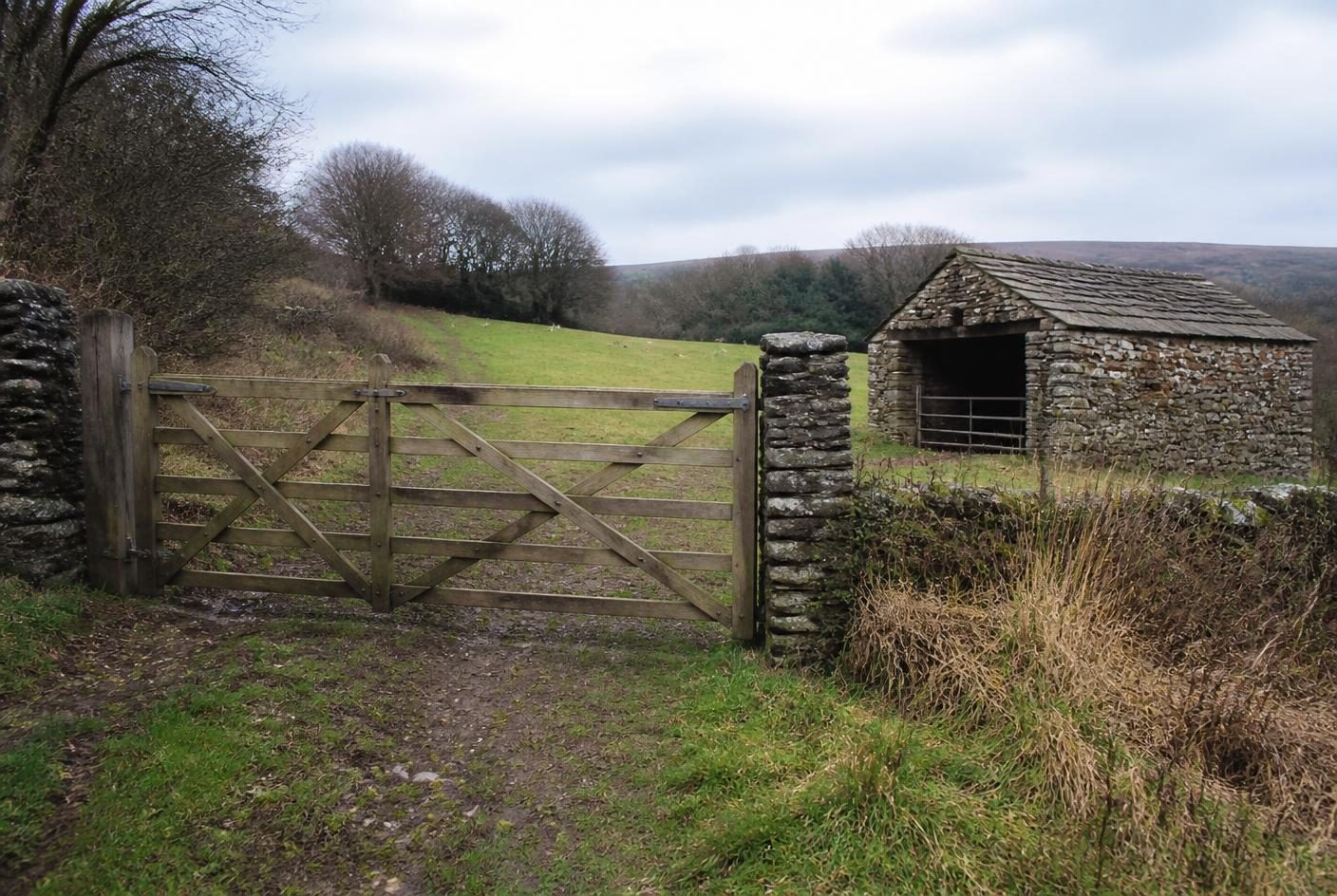
Access is the single most common problem with land purchases. Confirm whether the parcel has direct, legal access to a public highway, or relies on a right of way over someone else's land — and, if so, exactly what that right permits and who maintains it.
Check the practicalities too: gateway width, visibility at the junction, whether a tractor or trailer can turn in, and whether the track is usable in winter.
Services and utilities
Many rural parcels have no water, electricity or drainage at all. Establish what is present, where it enters, and whether troughs or supplies are shared with a neighbour.
Where nothing exists, get an indication of the cost of connection before you commit — bringing in a supply across distance can be a significant expense, and connection does not in itself grant any planning permission.
Fencing and boundaries
Establish who owns and who is responsible for each boundary, and confirm the legal boundary against the title plan on the ground. Hedges, ditches and long-standing fence lines do not always match.
Budget for stock-proof fencing appropriate to whatever you intend to keep, and check gates, stiles and any public footpaths crossing the land.
Land management
Land needs looking after even when it is not farmed. Grassland requires topping or grazing, hedges and ditches need periodic work, and woodland benefits from managed thinning and access rides.
Consider how you will do this in practice — with your own equipment, a grazing licence to a local farmer, or a contractor — and factor in the cost and the time.
For commercial-scale land management and schemes, see farm life.
Planning considerations
Buying land gives no automatic right to build, to site a caravan or mobile home, or to live on it. Residential and development use requires planning permission from the local planning authority, which may be refused, and agricultural buildings have their own separate and limited permissions.
Designations such as National Parks, AONBs, conservation areas, tree preservation orders, flood zones, listed structures and protected habitats can further restrict what is allowed. If your plans depend on consent, take independent professional advice and treat any permission as unconfirmed until it is granted in writing.
Restrictions and covenants
Titles often carry restrictive covenants limiting use, overage or clawback clauses that require a payment to the seller if planning permission is later obtained, and options or pre-emption rights.
Also check sporting and mineral rights, wayleaves for cables and pipes, public rights of way, and any existing tenancy, grazing licence or stewardship agreement that will pass to you.
What buyers should investigate before purchasing
A solicitor experienced in rural land, and ideally a rural surveyor, will save far more than they cost.
Title and plan
Confirm registered title, boundaries, acreage, rights of way granted and reserved, and any burdens.
Planning history
Ask the local planning authority about previous applications, refusals, enforcement notices and existing lawful use.
Physical condition
Look at drainage, flooding history, contamination risk, soil, dumped material and the state of fences and tracks.
Occupation
Establish whether anyone is currently using or grazing the land, and on what terms.
Costs and tax
Consider Stamp Duty, VAT position, insurance, maintenance and any obligations attached to schemes.
Potential uses of rural land
Depending on its planning status and the rights attached, land is commonly used for grazing, hay or silage, growing food, tree planting and woodland management, wildlife and conservation, and private recreation.
Other uses — camping, events, storage, commercial activity, glamping or residential development — generally require planning permission and sometimes licensing. Establish what is permitted before you buy rather than assuming permission will follow.
If your plan is to graze stock and grow your own, read smallholding life.