What life on a smallholding involves
Running a smallholding means the land becomes part of your routine rather than a view from the window. Mornings tend to start with animals, water and a walk of the boundary; evenings end with the same. Most of the work is small, repetitive and weather-dependent, and it does not pause for holidays or busy weeks at work.
In return you get space, produce, and a genuine reason to be outside every day. Many owners scale their ambitions gradually — a few hens and a vegetable garden in year one, sheep or pigs once the fencing and water are sound.
How a smallholding differs from a rural home
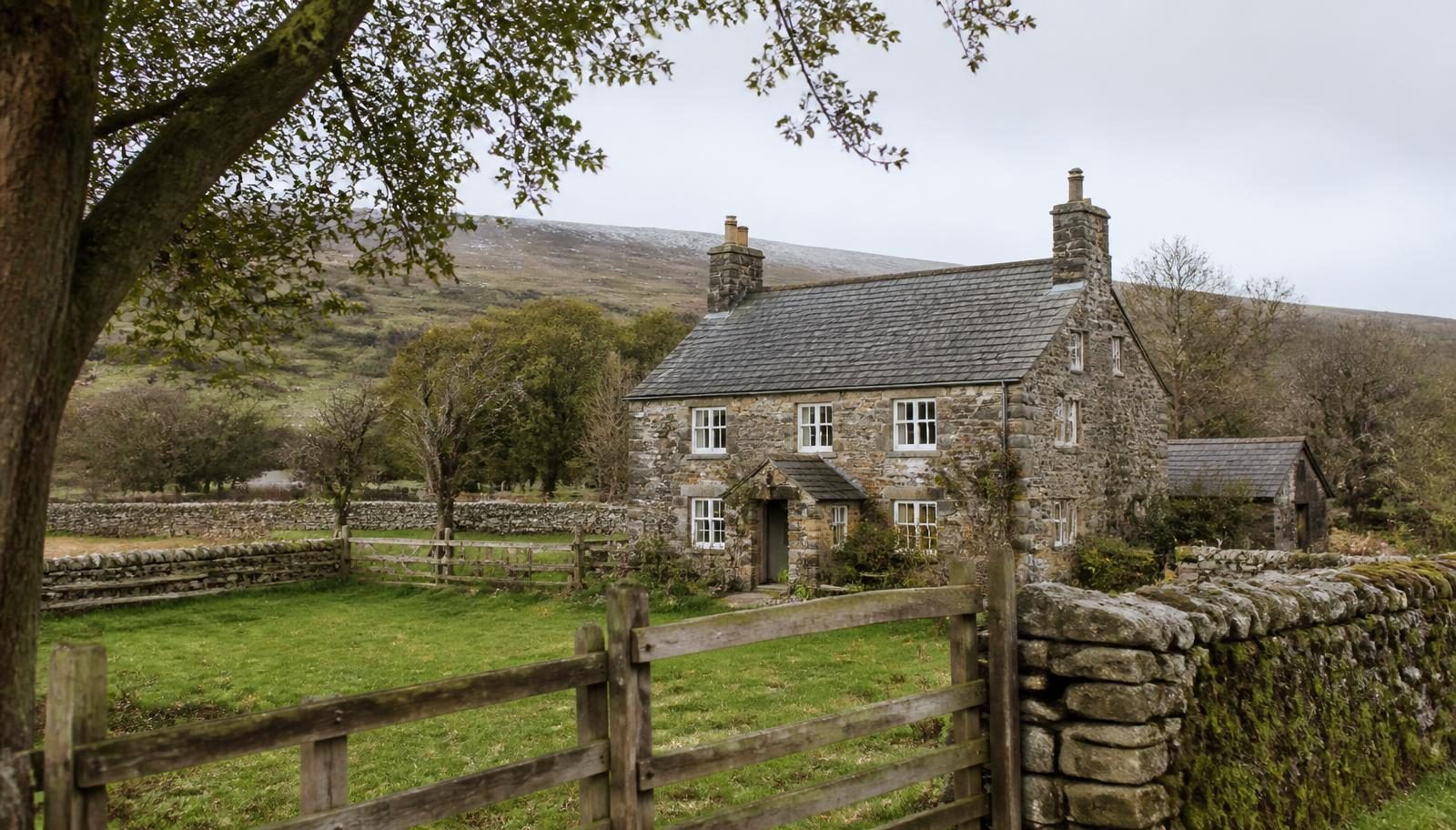
A conventional rural home is a house in the countryside. A smallholding is a working piece of land with a house on it: the acreage, outbuildings, access and services are as important as the number of bedrooms.
The land does the defining
Usable, well-drained, well-fenced acres with a water supply are worth far more in practice than a larger area that floods or cannot be reached with a trailer.
Buildings are working buildings
Barns, stores and stock housing determine what you can realistically keep and how pleasant winter will be.
Ongoing obligations
Livestock brings record-keeping, holding registrations and animal welfare responsibilities that a country cottage does not.
Land and livestock
Stocking levels depend on soil, drainage, rainfall and how the grazing is managed rather than a fixed number of animals per acre. Dividing land into several paddocks so grazing can be rotated and rested is the single most useful improvement most new owners make.
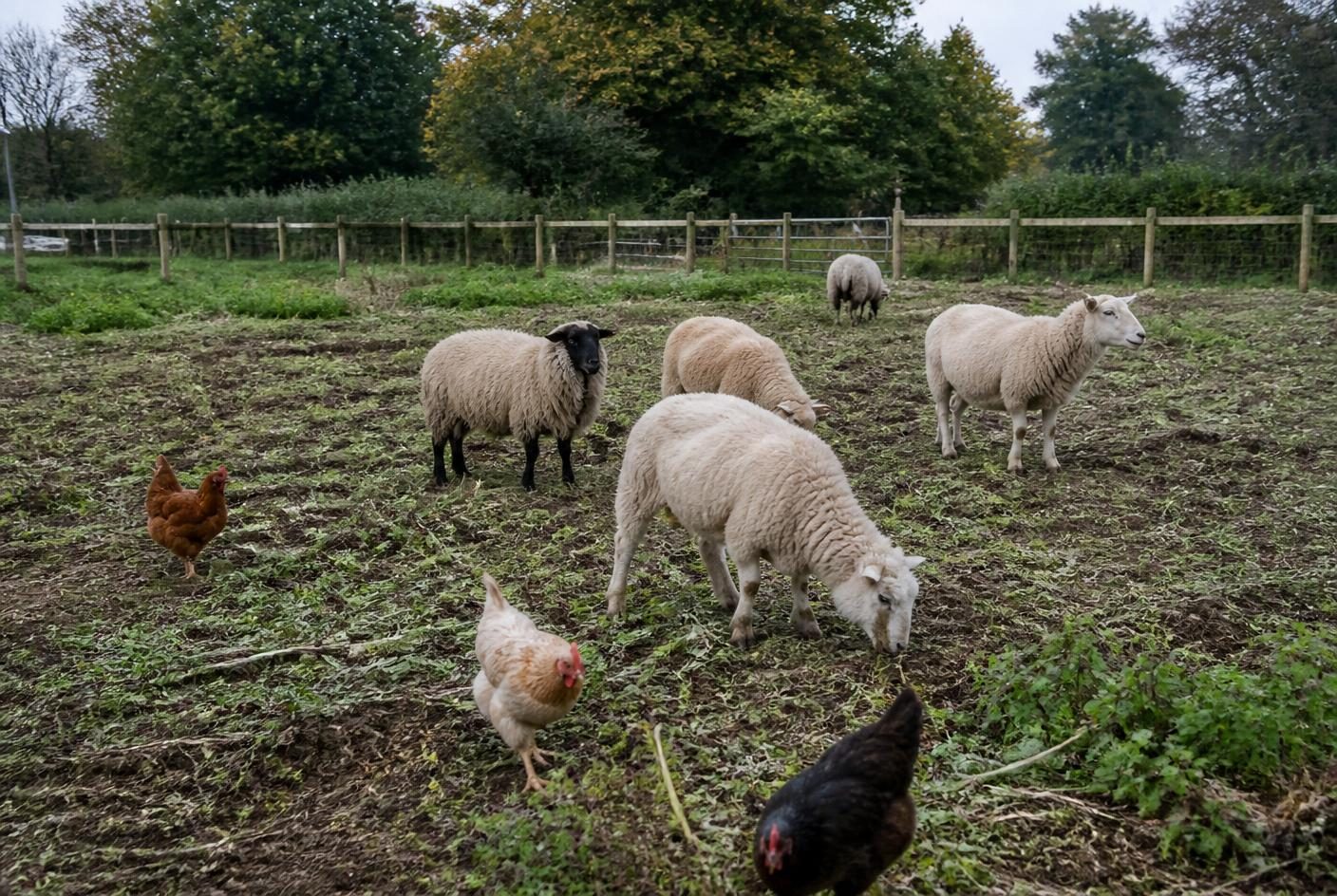
Start with stock that suits your time and your land: poultry and a vegetable plot need daily minutes, sheep need daily checks and seasonal handling, cattle need proper handling facilities. Think about winter first — where animals will stand, how they will be fed, and how you will get to them in the dark and wet.
If you are weighing up how much land you actually need, read our guide to buying land.
Outbuildings
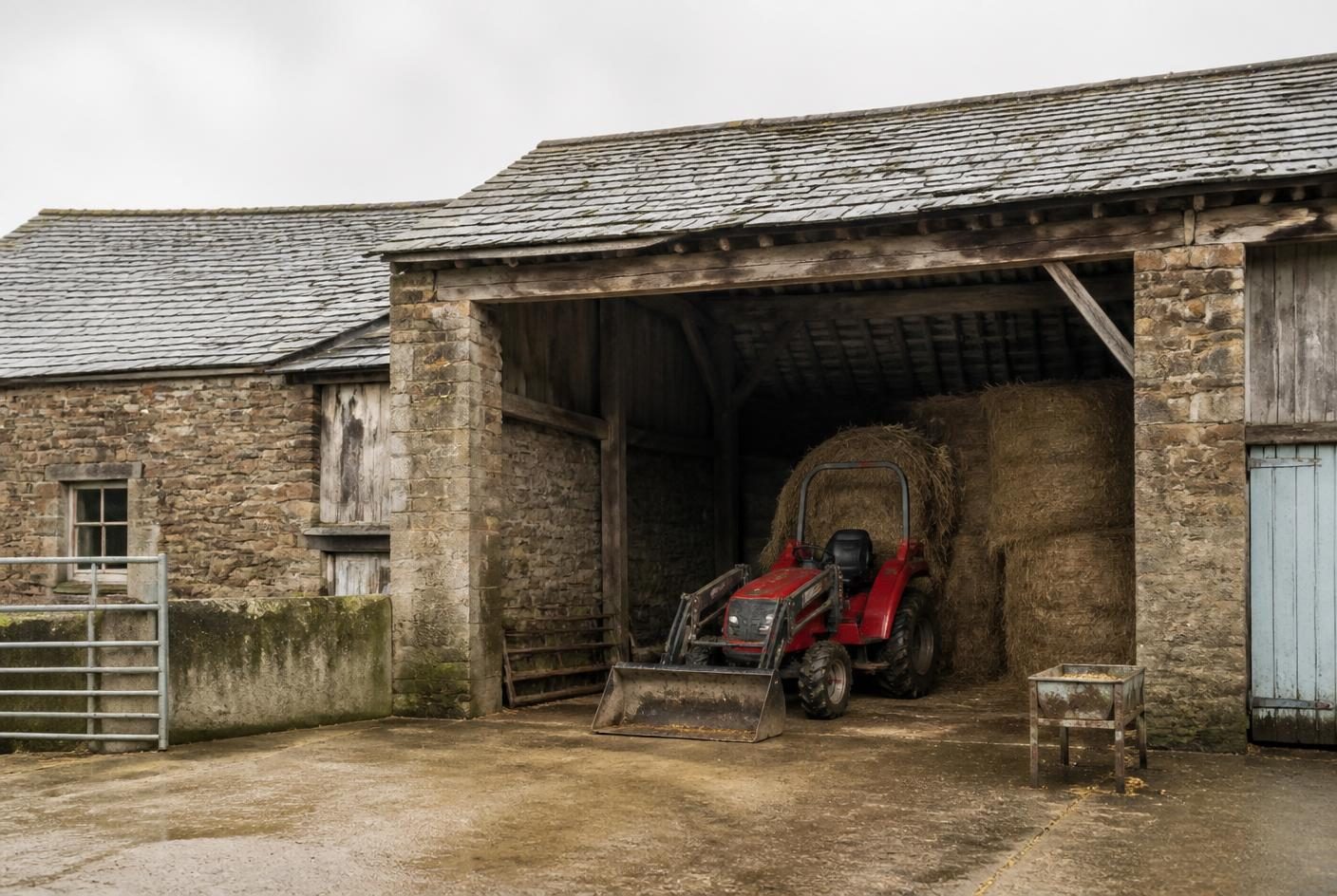
Useful smallholding buildings are dry, ventilated, reachable by vehicle and close enough to the house to use in bad weather. Look for a covered store for hay and bedding, somewhere secure for tools and feed, and a space that can be adapted for stock or a workshop.
Check roofs, gutters, floors and any old cement sheeting carefully, and ask what consents exist for buildings that have been converted or changed in use.
Keeping horses alongside your stock changes what the buildings must do — see equestrian life.
Fencing
Fencing is the most underestimated cost on a smallholding. Different stock needs different answers: stock netting with a strained wire for sheep, robust post-and-rail or electric for cattle, and dig-proof lines for pigs.
Walk every boundary before you commit. Note gate positions, hedge condition, and whether fencing is shared with a neighbour — replacing a long, awkward, machinery-inaccessible boundary is a serious expense.
Water and utilities
Water in every field matters more than almost anything else, because carrying it by hand gets old within a fortnight. Establish whether the supply is mains, a private borehole or a spring, where the stop taps are, and whether troughs are plumbed or filled manually.
Rural properties often have oil or LPG heating, private drainage such as a septic tank or treatment plant, and single-phase electricity that may limit workshop machinery. Broadband and mobile coverage are worth checking on site if you plan to work from home.
Maintenance through the year
Smallholding maintenance is seasonal rather than constant: hedge and ditch work in the dormant months, topping and haymaking in summer, gutters, gates and tracks whenever they need it. Drainage and access work is best done in dry weather, long before you need it.
A simple written calendar of jobs, worming and vaccination dates, and building checks turns an overwhelming list into a manageable weekend rhythm.
Equipment and machinery
Most smallholdings run well on modest equipment: a compact tractor or a quad with a trailer, a topper or flail mower, a chainsaw, decent hand tools and secure storage. Buy for the jobs you actually repeat, and hire or share the rest.
Factor in servicing, fuel, insurance and somewhere dry to keep it all. Access width, gate sizes and track surfaces should be checked against the machinery you intend to use.
Time and practical commitments
As a rough guide, poultry and a garden are daily minutes, grazing livestock are daily checks plus seasonal peaks, and land maintenance takes whole days a few times a year. Lambing, haymaking and hard winters are the pinch points.
Cover matters: arrange in advance who will look after animals when you are away or unwell. Smallholders who thrive usually have a neighbour, a family member or a local contractor they can call.
Benefits and challenges
The rewards are real — your own food, useful physical work, wildlife on your doorstep, and children or grandchildren growing up around animals and seasons. So are the challenges: the workload does not stop, costs are lumpy and unpredictable, and rural isolation suits some people far better than others.
The most reliable test is a trial run. Volunteer on a nearby holding for a season, keep a few hens, or take on an allotment before committing to twelve acres.
What prospective buyers should consider
Visit in winter as well as summer, and ask direct questions before you offer.
Access and turning
Can a delivery lorry, livestock trailer or oil tanker reach the yard? Who maintains the lane, and is access owned or by right of way?
Land quality and drainage
Ask which fields hold water, check for reeds and rushes, and look at the state of ditches and culverts.
Boundaries and rights
Confirm the legal boundaries, footpaths, sporting or mineral rights, covenants and any grazing or tenancy agreements in place.
Buildings and consents
Establish what has planning permission or agricultural ties, and get any conversion or change of use confirmed in writing.
Running costs
Budget for fencing, machinery, feed, vet fees, insurance, private drainage servicing and higher heating bills in an older rural house.