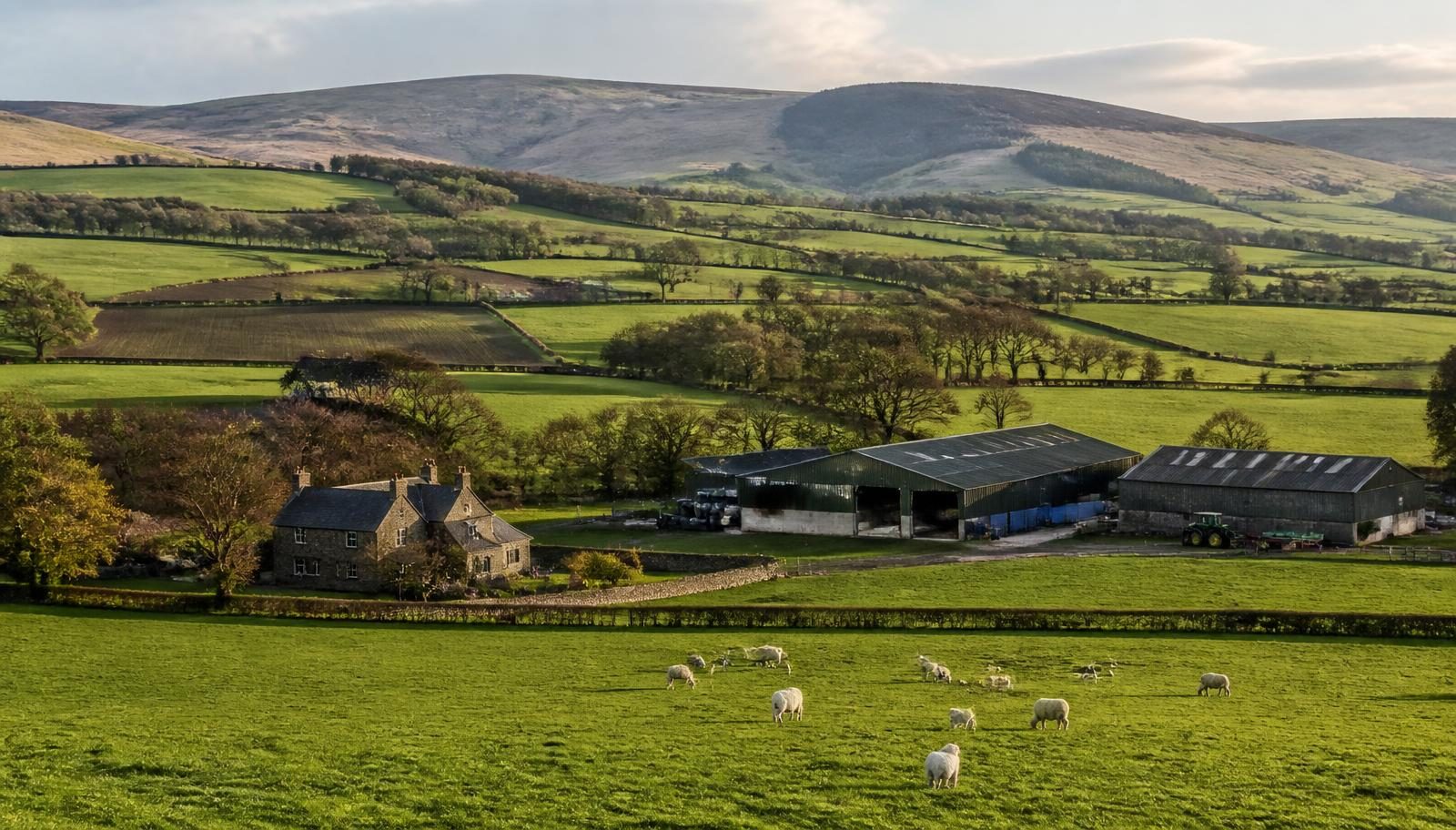
What life on a farm involves
Farm life is governed by the season rather than the clock. Spring and summer bring long days of growing, grazing and harvest; autumn is preparation; winter is feeding, maintenance and planning. Livestock enterprises need attention every single day, while arable work concentrates into intense weeks.
It suits people who enjoy independence, practical problem-solving and physical work, and who can absorb the fact that weather and markets decide a good deal of the outcome.
Different types of farming
The type of farming a holding supports depends largely on soil, altitude, rainfall and field size — and it strongly influences the buildings, machinery and labour you will need.
Livestock
Sheep and beef suit grassland and higher ground; handling systems, winter housing and water in every field matter most.
Dairy
Capital-intensive and highly regulated, with parlour, slurry storage and milk collection access all critical.
Arable and mixed
Needs workable soils, larger fields, grain storage and machinery access; mixed farms spread risk but broaden the skill set required.
Diversified
Holiday lets, storage, equestrian livery, farm shops or renewables can support income, but each depends on the right consents.
Agricultural land
Land quality is the foundation of a farm's value. Look at soil type and depth, drainage, aspect, exposure and the classification of the land. Ask when field drainage was last carried out, whether it still functions, and how the fields have been cropped or grazed recently.
Field size, shape and connectivity determine how efficiently the farm can be worked. A hundred awkward, scattered acres are harder to farm than a compact block half the size.
Land classification, rights and access are covered in more depth in our guide to buying land.
Livestock and crops
Existing enterprises tell you a lot about what the land can carry. Ask about stocking rates, lambing or calving percentages, yields, fertiliser and lime history, and any recurring animal-health issues associated with the ground.
If you plan to change enterprise, cost the transition honestly: new fencing, water, handling facilities or storage can quickly outweigh the saving on a cheaper purchase.
Farm buildings
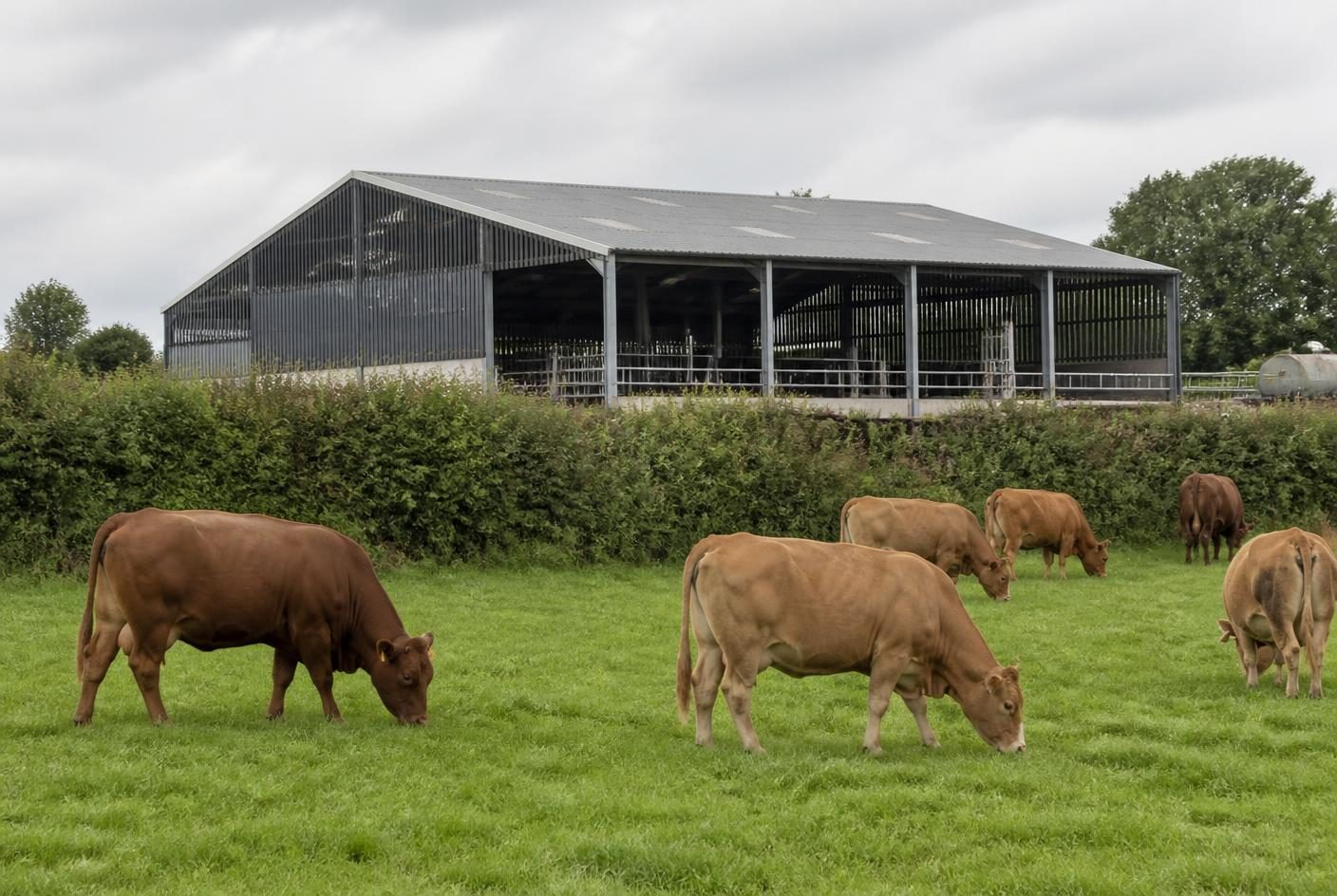
Modern, clear-span buildings with concrete floors, good drainage and lorry access are hugely valuable and expensive to replace. Traditional stone barns are attractive but often costly to maintain and restricted in use.
Check structural condition, roof sheeting, slurry and effluent storage, grain or feed storage capacity, and electricity supply. Establish which buildings have consent and whether any are subject to agricultural occupancy conditions or existing conversion approvals.
Machinery and equipment
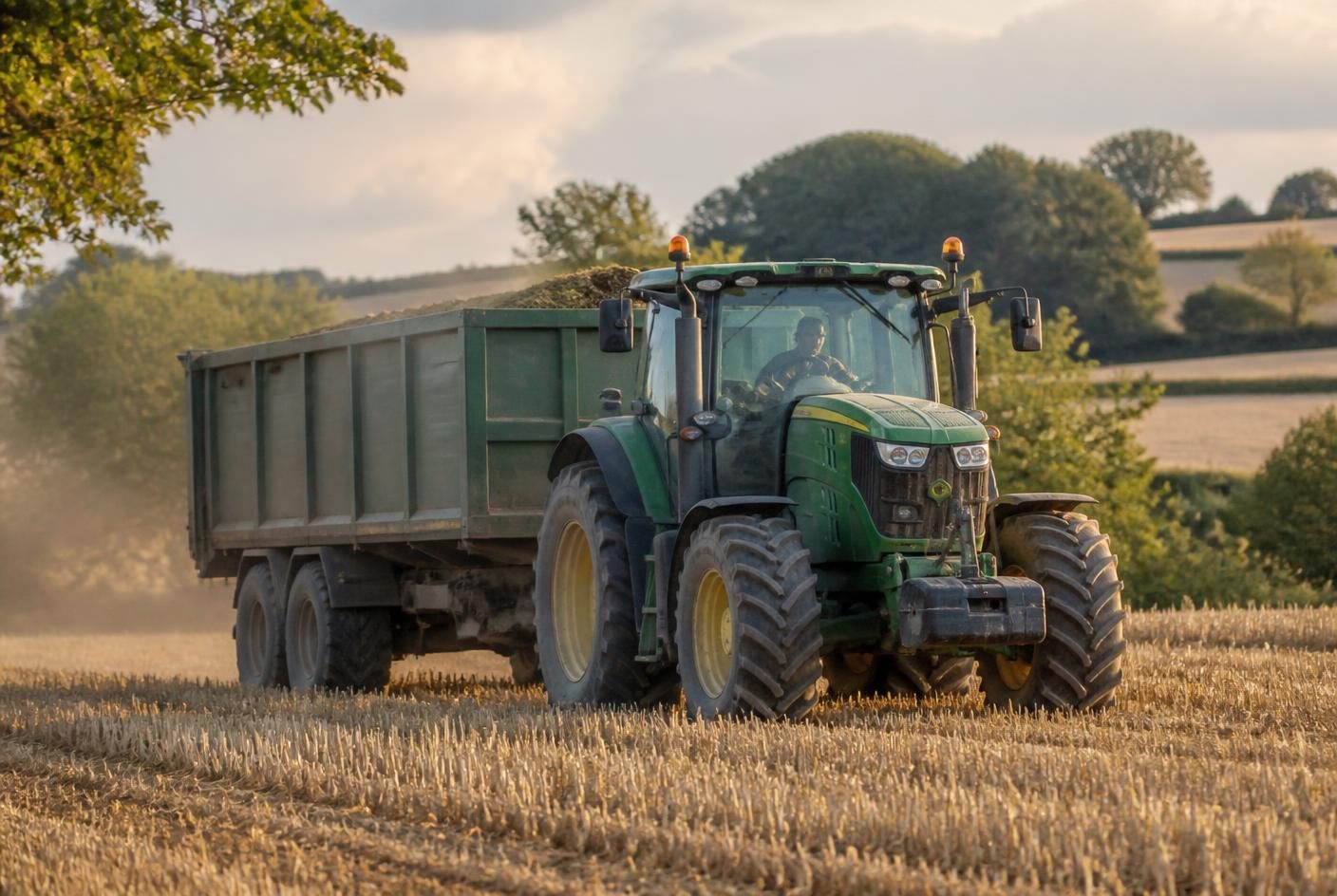
Machinery is a major cost centre. Decide early which operations you will own kit for and which you will hire a contractor to do — contracting is often the cheaper route for harvest, slurry work and hedge cutting.
When machinery is included in a sale, look at hours, service history and whether it genuinely suits the farm's field sizes and gateways. Budget for a workshop, secure storage, fuel storage and spares.
Land management and maintenance
Good land management is mostly unglamorous consistency: soil testing, sensible rotations, grazing that lets pasture recover, hedges and ditches kept in order, and tracks repaired before they fail.
Environmental and stewardship commitments, tree preservation, watercourse protection and cross-compliance style obligations should all be understood before purchase, since some run with the land.
Access and infrastructure
Farms live or die by access. Check that articulated lorries, milk tankers or grain trailers can reach the buildings, that internal tracks are usable year-round, and that road junctions are safe for machinery.
Also confirm the electricity supply and phase, water sources and metering, private drainage, broadband, and any shared or third-party rights of access across the holding.
Practical considerations and the rural lifestyle
Distance to markets, abattoirs, merchants, vets and a decent machinery dealer affects both cost and convenience. So does distance to schools, work and family.
Farm income is variable, so most buyers plan around cash-flow peaks and troughs and keep a contingency for a bad season or a failed building.
What prospective farm buyers should consider
Before offering, get clarity in writing on the points that change value most.
Tenure and occupation
Is any land let, share-farmed or subject to a grazing licence, and when does that end?
Rights and burdens
Footpaths, sporting and mineral rights, wayleaves, covenants and shared access all need checking.
Schemes and grants
Identify any agreements that transfer with the land, along with the obligations attached to them.
Buildings and planning
Confirm consents, agricultural ties and any restrictions on future conversion or diversification.
Realistic budget
Include working capital, machinery, repairs, insurance and professional fees, not just the purchase price.
If a full commercial farm is more than you need, compare it with smallholding life.